Energy systems, heating solutions, ventilation, and photovoltaic installations are long-term assets that must evolve alongside technology, regulatory requirements, and building needs. Over time, components degrade, standards change, and user demand increases. Relying on outdated or underperforming systems can lead to unnecessary energy consumption, rising bills, and avoidable safety risks. Upgrades and targeted repairs ensure that existing infrastructure remains efficient, compliant, and capable of meeting future expectations.
1. Enhanced Efficiency Through Modernized Components
Older components and outdated control systems often struggle to perform efficiently under current operational demands. Newer technologies — smart controls, high-efficiency inverters, improved insulation, and upgraded mechanical parts — significantly reduce energy waste and increase output. Strategic system modernization allows businesses and homeowners to benefit from technological advancement without full system replacement.
2. Cost Control and Reduced Downtime Over Time
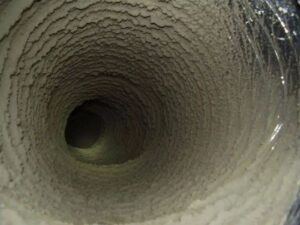
Repairing small issues early prevents larger failures later. Aging sensors, worn cables, blocked ducts, or weakened seals can escalate into costly breakdowns or operational interruptions. System upgrades not only lower the risk of failure but also extend the lifespan of installations, offering substantial savings compared to emergency repairs or premature replacement. Planned improvements reduce downtime and protect long-term investment value.
3. Improved Safety and Regulatory Compliance
Energy and ventilation systems are governed by safety standards to protect property and occupants. Over time, installations may fall out of compliance due to wear, outdated components, or updated regulations. Professional upgrades and repairs ensure that systems operate safely, reduce the likelihood of overheating, leaks, electrical faults, or fire hazards, and maintain adherence to construction and energy guidelines.
4. Sustainability Through Intelligent Modernization
Sustainability is not only achieved by installing new renewable energy systems — it is also accomplished by improving existing ones. Upgrades reduce resource consumption, optimize performance, and minimize environmental impact. By extending the useful life of equipment, modernization supports responsible resource use and contributes to broader sustainability goals.
Conclusion
System upgrades and repairs are a strategic approach to ensuring performance, safety, and long-term reliability. Whether enhancing existing infrastructure or preventing future issues, proactive improvement delivers measurable value. By adapting to new technology and evolving requirements, property owners and businesses protect their investment and prepare for a more efficient and sustainable future.