In a rapidly changing energy landscape, homeowners, businesses, and developers are increasingly investing in renewable sources such as photovoltaic systems and advanced HVAC installations. While these technologies are designed to reduce costs and environmental impact, many users underestimate one critical factor: long-term performance depends heavily on consistent maintenance and professional cleaning.
1. Efficiency Declines Without Proper Maintenance
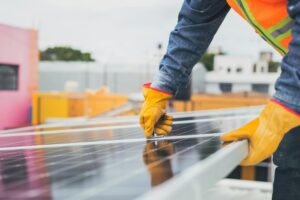
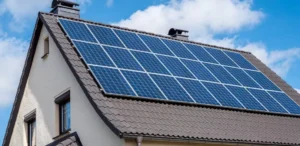
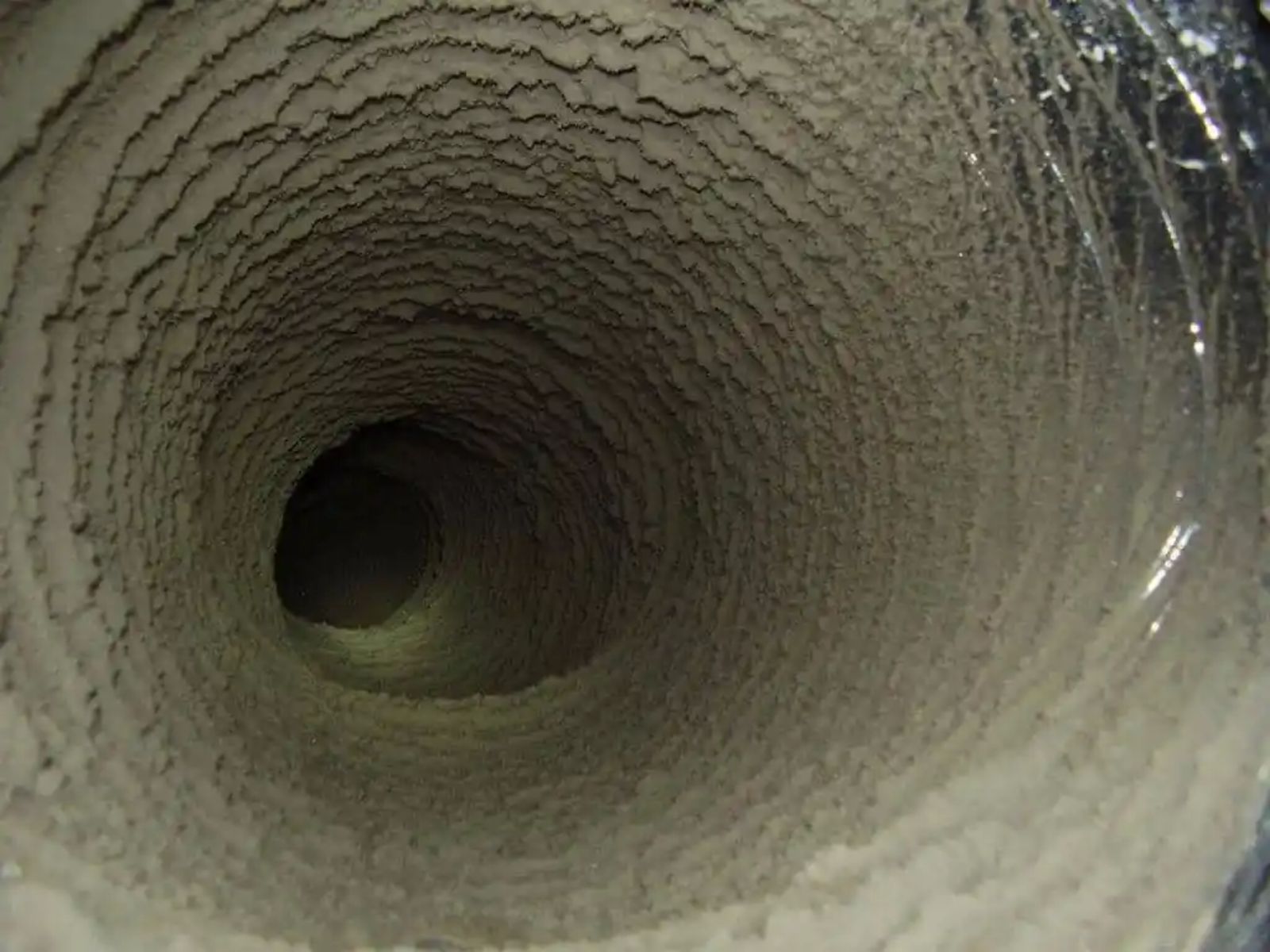
Both solar panels and HVAC systems suffer from gradual performance loss caused by dust, debris, and environmental exposure. Contaminated HVAC ducts restrict airflow, forcing the system to run longer and consume more energy. Similarly, a thin layer of dirt on photovoltaic modules can reduce energy production by up to 20–25%, depending on the environment. Regular inspection prevents unnoticed performance drops and ensures that the system continues to operate at optimal capacity.
2. Financial Benefits That Accumulate Over Time
Maintenance is not only a technical necessity — it is an investment strategy. Clean systems use less energy, achieve better output, and experience fewer unexpected breakdowns. The costs associated with emergency repairs or equipment replacement often exceed the investment in preventive service. A maintenance plan lowers operational costs and extends the lifespan of the installation, resulting in a measurable return on investment.
3. Greater Safety and Reduced Operational Risk
Blocked ventilation pathways, clogged filters, or accumulated contaminants increase mechanical stress and, in certain cases, create fire hazards. Preventive cleaning minimizes these risks and helps ensure compliance with safety regulations, especially for industrial and commercial buildings. Safety is not just a regulatory box to tick — it protects both people and infrastructure.
4. Sustainability Is Not Just About Installation — It’s About Upkeep
Implementing renewable energy solutions is only the first step toward sustainability. To gain full environmental value, systems must retain their efficiency for as many years as possible. Maintenance reduces resource waste, prevents early disposal, and optimizes the technology’s lifecycle. A cleaner system pollutes less and performs better.
Conclusion
Whether it’s an HVAC system or a photovoltaic installation, ongoing maintenance is a key component of modern, cost-efficient energy management. For property owners, developers, and commercial operators, a structured maintenance strategy ensures long-term performance, financial savings, safety, and sustainability. Renewable energy isn’t just about adopting new technology — it’s about maintaining that technology so it continues to deliver value.